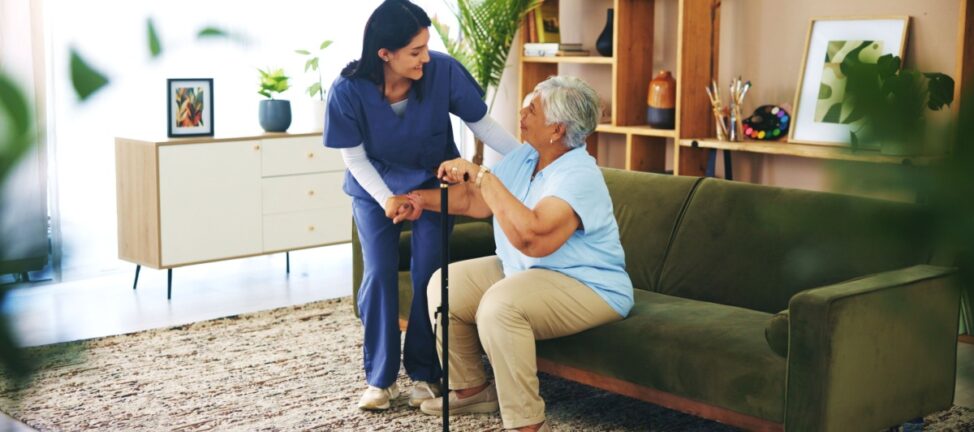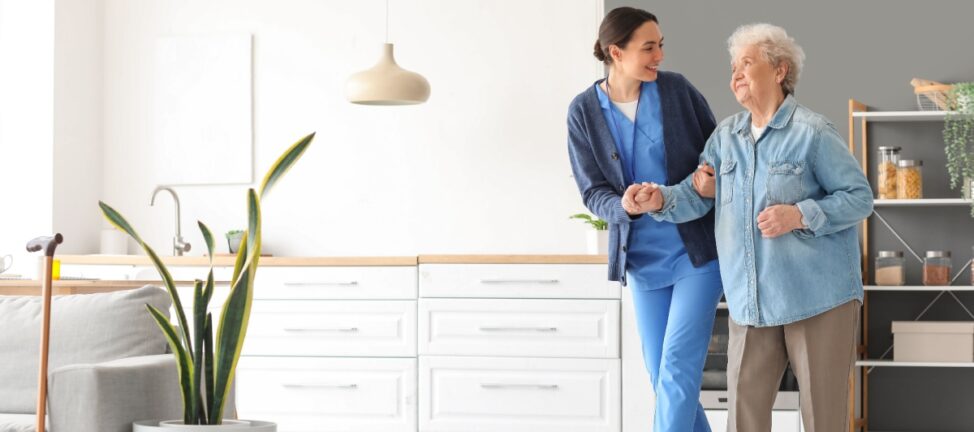
As we age, our nutritional needs and hydration habits change significantly. Seniors often face challenges that can affect their ability or desire to eat and drink properly—from medication side effects and chronic illnesses to reduced appetite and limited mobility. In a home health care setting, ensuring that elderly individuals receive …
The Benefits of Physical and Occupational Therapy in Home Health Care
When recovering from illness, surgery, or managing a chronic condition, regaining strength, mobility, and independence is often a top priority. Physical and occupational therapy are essential components of home health care, designed to help individuals restore function and improve their quality of life—all within the comfort of their own home. …
The Role of Palliative Care in Home Health: Comfort and Support for Chronic Conditions
Living with a chronic illness presents daily physical and emotional challenges that can affect not only the patient but also their entire family. While curative treatments may no longer be the focus, comfort, dignity, and quality of life remain essential. Palliative care in a home health setting is designed to …
How Home Health Care Supports Patients with Alzheimer’s Disease
Alzheimer’s disease is a progressive condition that affects memory, cognition, and the ability to perform everyday tasks. As the disease advances, individuals often require increasing levels of care, which can be overwhelming for families. Home health care provides a compassionate, structured approach to managing Alzheimer’s, allowing patients to remain in …
The Benefits of In-Home Nursing for Chronic Illnesses
Managing chronic illnesses requires continuous care, careful monitoring, and a personalized approach to treatment. For many individuals, in-home nursing offers an effective alternative to hospital visits or long-term facility stays, allowing patients to receive high-quality medical care in the comfort of their homes. This approach not only enhances convenience but …